Supporting Future Hand Therapists: Splinting Workshop at Swinburne University By Jennifer Mathias
Article: Building Skills Through In-House Casting Education
Clinical Article: What is Carpal Tunnel Syndrome?
Article: Advancing Skills in Fracture Management By Diana Buhari
Patient Feedback
Recognition Award
Supporting Future Hand Therapists: Splinting Workshop at Swinburne University
By Jennifer Mathias
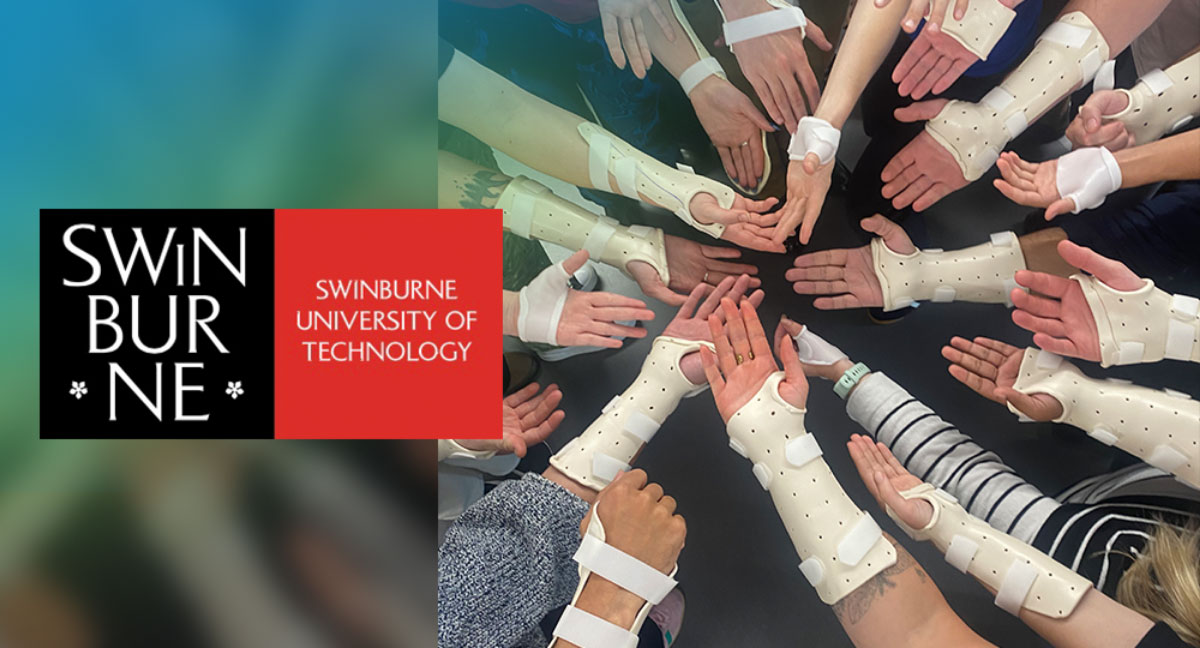
We would like to thank Swinburne University for inviting Jennifer Mathias to present to the Masters of Occupational Therapy Students. We look forward to the ongoing collaboration with the University.
“Jennifer was invited to deliver the annual Splinting Workshop for occupational therapy students at Swinburne University of Technology. Students gained their first hands-on experience in upper limb splinting, as guided by Jennifer alongside occupational therapy lecturer
– Sage McPherson
Over the course of the workshop, students fabricated three different splints (see pictured!) and learnt about:
Principles of orthosis fabrication
Clinical reasoning for acute and chronic presentations
Creating client-centred splints
It was fantastic to see such engagement and enthusiasm—there are definitely some future hand therapists in the room.”
Article
Building Skills Through In-House Casting Education
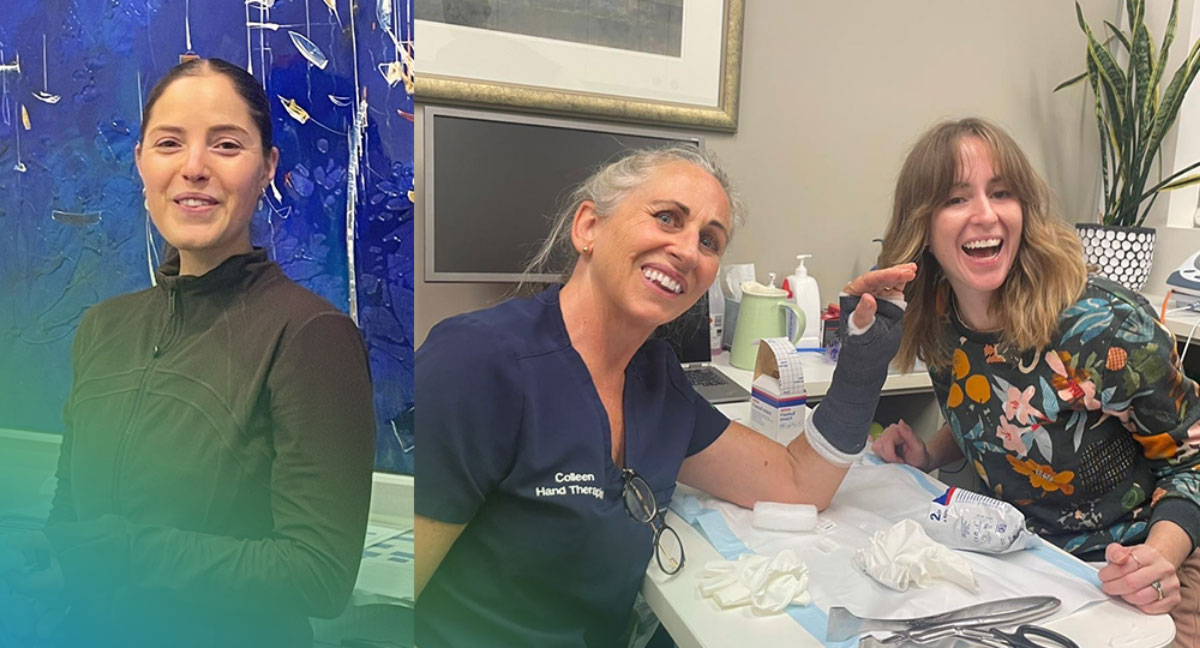
We recently held an in-house education session focused on casting, with our team getting hands-on practice applying both fibreglass and waterproof casts.
These sessions are a great way for therapists to build confidence, share knowledge, and stay up to date with best practice, ensuring our patients receive the highest standard of care.
Clinical Article
What is Carpal Tunnel Syndrome?
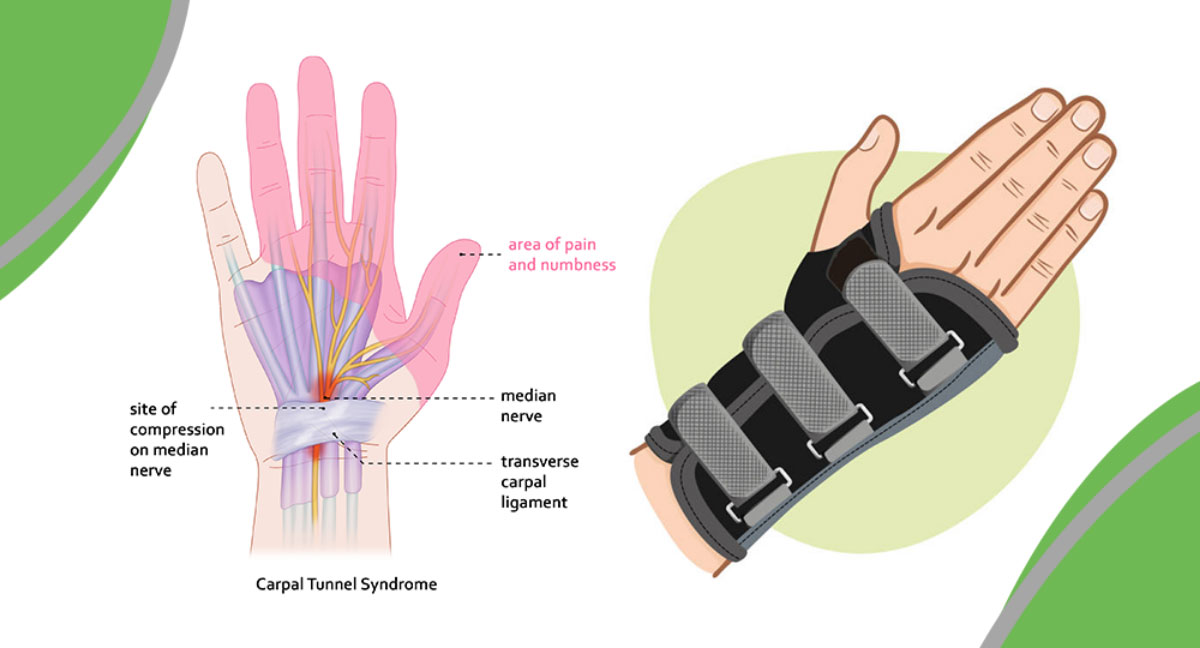
Carpal Tunnel Syndrome occurs when the median nerve becomes compressed as it passes through a narrow tunnel in the wrist (the carpal tunnel). This nerve controls sensation in the thumb, index, middle, and part of the ring finger, as well as some of the muscles at the base of the thumb.
Common Symptoms:
Numbness or tingling in the thumb, index, or middle fingers
Hand weakness or difficulty gripping objects
Pain that may travel up into the forearm
Symptoms that are worse at night or early morning
Many people report needing to straighten or “shake out” their hands to relieve symptoms.
What Causes It? Carpal Tunnel Syndrome can develop due to a combination of factors, including:
Repetitive hand use (e.g. typing, manual work)
Prolonged wrist positions (especially bending)
Pregnancy or hormonal changes
Conditions like diabetes or arthritis
Fluid retention or swelling in the wrist
How can Hand Therapy Help? The good news is that early treatment is very effective.
Hand Therapy can help by:
Assessing your symptoms and identifying contributing factors
Providing specific exercises to improve nerve movement and wrist mobility
Recommending splints to reduce pressure on the nerve (especially at night)
Modifying work or daily activities to reduce strain
Guiding a gradual return to normal function
Simple Tips to Manage Symptoms
Avoid prolonged wrist bending (especially during sleep)
Take regular breaks from repetitive tasks
Maintain good posture when working at a desk
Use ergonomic setups where possible
When Should You Seek Help? If your symptoms are:
Persistent
Worsening
Affecting your sleep or daily activities
It’s important to get assessed early to prevent long-term nerve irritation. If you’re experiencing hand or wrist symptoms, don’t ignore them – getting the right advice early can prevent things from progressing.
Article
Advancing Skills in Fracture Management
By Diana Buhari
“I recently completed the Australian Hand Therapy Association Fracture Management Course; a two-day professional development program held in Melbourne alongside approximately 20 hand therapists from across Australia.
The program further developed my skills in the assessment and management of complex fractures, with a strong focus on current evidence across both surgical and non-surgical approaches. It also provided valuable insight into evolving techniques being utilised within Australia.
In addition, I had the opportunity to engage with many hand therapy colleagues nationwide, with meaningful discussions and lots of exposure to a diverse range of clinical approaches and treatment strategies.
This learning experience has strengthened my ability to develop individualised management plans, particularly for complex fractures and post-operative rehabilitation following surgical stabilisation. I look forward to incorporating these insights into ongoing patient care.”
Have you experienced exceptional care or teamwork from someone at MHT? We’d love to hear about it.
Help us celebrate those who go above and beyond.
Nomination Form
Thank you for your continued trust in Melbourne Hand Therapy. We’re committed to delivering collaborative, evidence-based care for every patient, every season.
Let’s continue working together to restore function and confidence, one hand at a time!